

Fluorine-Lined Valves for Alkali Processing Plants: A Technical Overview
Industry Background and Market Demand
Alkali processing plants handle highly corrosive substances such as hydrochloric acid, sulfuric acid, and caustic soda, which demand robust materials to ensure long-term operational integrity. Traditional metallic valves often fail under prolonged exposure to aggressive chemicals, leading to frequent maintenance and downtime. Fluorine-lined valves, incorporating polytetrafluoroethylene (PTFE) or perfluoroalkoxy (PFA) linings, have emerged as a critical solution due to their exceptional chemical resistance and durability.
The market for fluorine-lined valves is expanding, driven by stricter environmental regulations and the need for operational efficiency in chemical processing. Industries such as chlor-alkali production, wastewater treatment, and pharmaceutical manufacturing increasingly rely on these valves to mitigate corrosion risks and reduce lifecycle costs.
Core Technology: Fluorine-Lined Valves Explained
Fluorine-lined valves feature a metallic outer shell with an internal lining of fluoropolymer, typically PTFE or PFA. These materials exhibit near-universal chemical inertness, resisting attack from acids, alkalis, and solvents. The lining is either mechanically bonded or thermally fused to the valve body, ensuring a seamless barrier between the corrosive medium and the structural metal.
Key valve types include:
- Butterfly valves: Compact design for moderate-pressure applications.
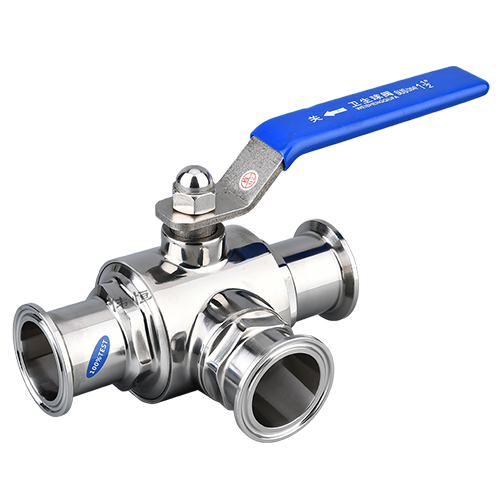
- Ball valves: Superior sealing for high-purity processes.
- Diaphragm valves: Ideal for slurries and viscous fluids.
Design, Materials, and Manufacturing
Structural Composition
A fluorine-lined valve consists of:
- Outer body: Carbon steel, stainless steel, or alloy steel for structural support.
- Fluoropolymer lining: PTFE (for general corrosion resistance) or PFA (for higher thermal stability).
- Sealing components: Often reinforced with fillers like graphite or glass fiber for enhanced mechanical strength.
Manufacturing Process
1. Surface Preparation: The metal body is grit-blasted to ensure adhesion.
2. Lining Application: PTFE/PFA is applied via isostatic molding or rotational lining.
3. Curing: The valve undergoes controlled heating to fuse the lining uniformly.
4. Quality Inspection: Hydrostatic testing and spark testing verify integrity.
Critical Factors Affecting Performance
1. Lining Thickness: Insufficient thickness leads to premature failure; optimal ranges are 2–5 mm.
2. Temperature Limits: PTFE-lined valves typically operate between -20°C and 180°C; PFA extends to 200°C.
3. Pressure Ratings: Most valves are rated for 10–16 bar; reinforced designs can withstand higher pressures.
4. Fluid Velocity: Excessive flow rates (>3 m/s) may cause erosion of the lining.
Supplier Selection Criteria
When sourcing fluorine-lined valves, consider:
- Certifications: ISO 9001, API 607 (fire-safe design), and NACE compliance for sour service.
- Material Traceability: Documentation for fluoropolymer grades and metal alloys.
- Testing Capabilities: Suppliers should provide third-party validation reports.
- Customization: Ability to modify lining thickness or valve geometry for specific media.
Common Challenges and Solutions
Industry Pain Points
1. Lining Delamination: Caused by poor adhesion or thermal cycling. Solution: Opt for thermally fused linings over mechanically bonded ones.
2. Seal Degradation: Aggressive chemicals may penetrate static seals. Solution: Use dual-seal designs with secondary containment.
3. Brittleness at Low Temperatures: PTFE becomes brittle below -20°C. Solution: Switch to PFA or modified PTFE blends.
Applications and Case Studies
Chlor-Alkali Plants
Fluorine-lined ball valves are used in chlorine gas handling due to their resistance to wet chlorine corrosion. A European plant reported a 60% reduction in valve replacements after switching from rubber-lined to PFA-lined valves.
Waste Acid Recovery
In sulfuric acid concentration systems, diaphragm valves with PTFE linings prevent leakage at high temperatures, improving recovery rates by 15%.
Trends and Future Developments
1. Advanced Materials: Emerging fluoropolymers like THV (tetrafluoroethylene-hexafluoropropylene-vinylidene fluoride) offer broader chemical compatibility.
2. Smart Valves: Integration with IoT for real-time corrosion monitoring.
3. Sustainability: Recyclable fluoropolymer linings to meet circular economy goals.
FAQ
Q: Can fluorine-lined valves handle abrasive slurries?
A: Yes, but with limitations. Diaphragm valves with reinforced linings are preferred; avoid high-velocity flows.
Q: How does PFA outperform PTFE in alkali processing?
A: PFA has superior thermal stability and stress crack resistance, making it suitable for higher temperatures and cyclic loading.
Q: What is the typical lifespan of a fluorine-lined valve?
A: Under standard conditions (moderate temperature/pressure, non-abrasive fluids), 7–10 years is achievable.
By addressing material science, operational parameters, and industry-specific demands, fluorine-lined valves continue to redefine reliability in alkali processing. Future innovations will likely focus on extending service life and integrating predictive maintenance technologies.
โทร: +86 577 8699 9257
โทร: +86 135 8786 5766 /+86 137 32079372
อีเมล์: wzweiheng@163.com
ที่อยู่:เลขที่ 1633, ถนน Yidaoba, สวนอุตสาหกรรม Binhai, เมืองเหวินโจว, จังหวัดเจ้อเจียง

สแกนวีแชท
เว็บไซต์นี้ใช้คุกกี้เพื่อให้แน่ใจว่าคุณได้รับประสบการณ์ที่ดีที่สุดบนเว็บไซต์ของเรา
 English
 Español
 Portugues
 Pусский
 Français
 Deutsch
 한국어
한국어 العربية
 Italiano
 Türk dili
 हिन्दी
 Melayu
 Tiếng Việt
 dansk
dansk қазақ
қазақ বাংলা
বাংলা українська
 Filipino
 o'zbek



 โทรศัพท์
ความคิดเห็น
(0)